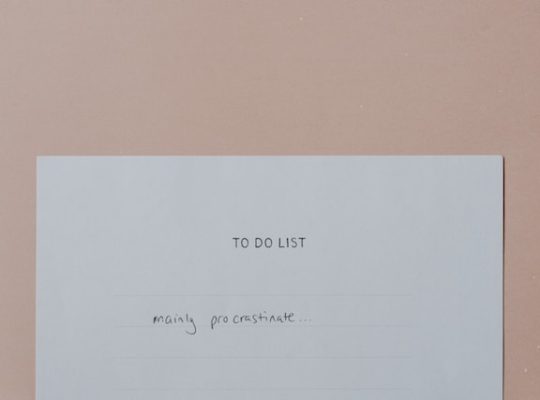

There was a period in my career when I regularly finished charting after my kids went to bed.
The house would finally be quiet. I would open my computer and start working through the charts I hadn’t finished during the day.
I felt like I was always working, like I was never off.
At the time, I assumed the problem was my speed.
I just needed to get faster.
Like many physicians, I thought the solution was better efficiency or better time management.
But over time I started noticing something interesting.
The problem usually wasn’t speed.
It was perfectionism.
The Strength That Becomes a Trap
Physicians are trained to be extremely thorough.
We are taught to think carefully, consider possibilities, and document clearly. That attention to detail is part of what makes physicians good at their work.
But that same strength can quietly turn into perfectionism when it comes to documentation.
When every chart feels like it needs to be perfect, notes naturally take longer to complete.
Sentences get revised. Details get added. You want to make sure everything is just right.
During a busy clinic day, that extra time often isn’t available.
So physicians tell themselves something that feels harmless in the moment:
“I’ll finish this later.”
Why “Later” Becomes Nighttime
During the workday there is always another patient, another message, or another task that needs attention.
The chart stays open.
Another one joins it.
By the end of the day several charts may still be unfinished.
Now those charts feel heavier and harder to start. Mentally they follow you home.
For many physician moms this is the moment when work begins to spill into the evening.
After dinner.
After the kids go to bed.
After you hoped the workday was finally over.
The Shift That Helps
One of the biggest shifts for many physicians is learning when B-minus charting is enough.
Not careless charting.
Not incomplete charting.
Just documentation that is clear, accurate, and complete enough to close the chart.
Perfectionism quietly expands documentation to fill the evening.
Allowing charts to be done instead of perfect can completely change the rhythm of the workday.
A Different Way to Think About the Workday
Many physician moms assume the solution to evening charting is working faster.
But often the more helpful shift is learning how to think differently during the workday.
Small shifts in thinking can lead to small shifts in behavior:
Closing a chart now instead of later.
Letting documentation be good enough.
Trusting yourself to move on.
Over time those small changes can make a surprising difference in whether work stays at work or follows you home.
If you’re a physician mom who finds herself opening her laptop at night to finish charts, you are definitely not alone.
I coach physician moms who want to stop charting at night and reclaim their evenings.
Small shifts in how you approach your workday can make a bigger difference than you might expect.